CASE STUDY 03
AI Video Workflow
Designing a repeatable content pipeline across four AI tools and four video series.
This workflow demonstrates how small teams can ship consistent AI video content without full automation or a production team.
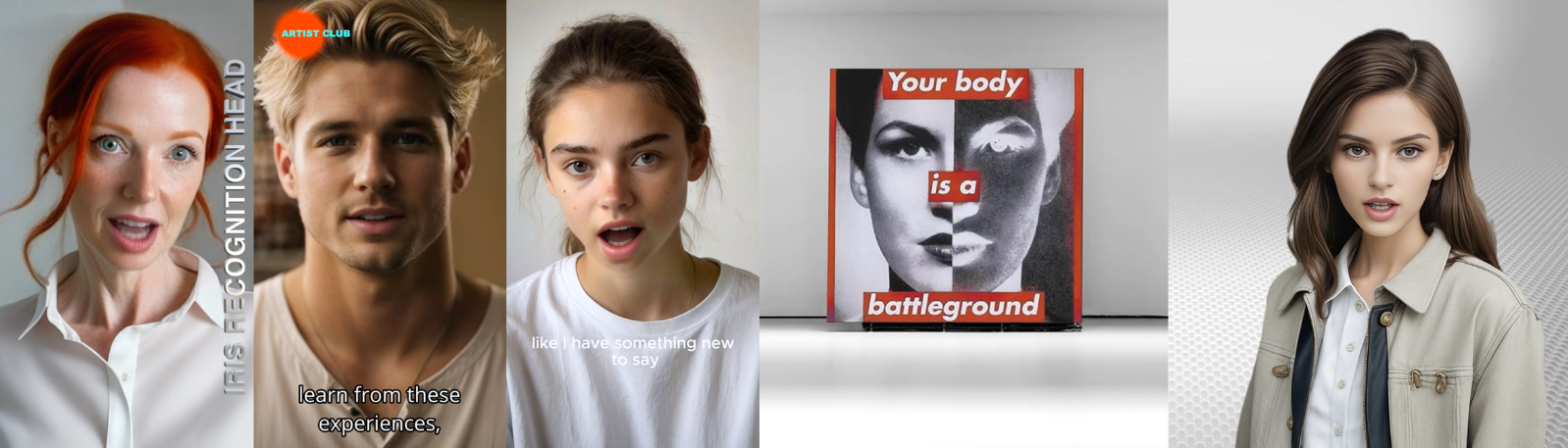
Designing a repeatable content pipeline across four AI tools and four video series.
This workflow demonstrates how small teams can ship consistent AI video content without full automation or a production team.
Producing consistent AI-assisted video content required four separate tools with no shared logic between them. Every production started from scratch, outputs were inconsistent, and the process was slow.
A solo creative producer needing to scale content output without scaling time or cost.
Product Designer and system architect, designing the production logic not just using the tools.
Designed a four-tool human-directed production system (ChatGPT · Leonardo.AI · D-ID · CapCut) with defined inputs, outputs, and decision points at each stage. One reusable architecture that could run repeatedly without rebuilding.
70% faster production, 30% more engagement, 4 series from one system.
ChatGPT, Leonardo.AI, D-ID, CapCut

Social-media audience needed regular engaging video content, but production constraints made traditional workflows unfeasible.
A four tool pipeline built through experimentation and refined across four series into a repeatable production system.
In 2023, I needed engaging video content for Instagram and YouTube but couldn’t afford traditional production. I also didn’t want to be on camera. AI video tools existed but were raw, and nobody in the art world was using them to say anything worth hearing.
I didn’t sit down and map out a pipeline. I started experimenting with tools, one at a time, chaining them together until something worked. The system that emerged wasn’t designed upfront. It was designed through building, and the design decisions only became visible in retrospect.
Each tool handled one stage. Every handoff was manual. Every stage had failure points that required designing workarounds.
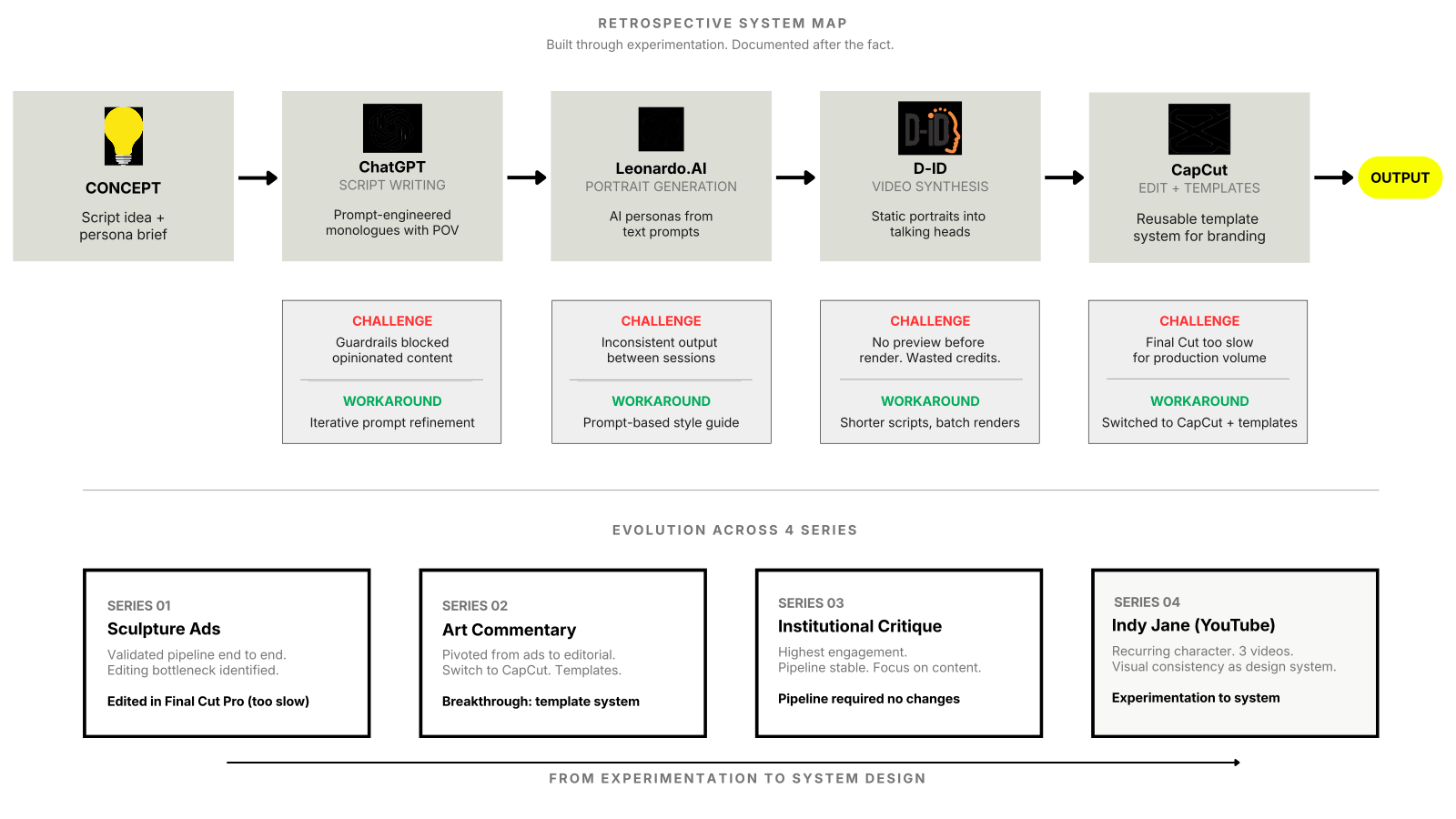
Retrospective system map — pipeline emerged through experimentation, not pre-planned architecture.
ChatGPT was the only viable script tool in 2023. Leonardo.AI won over Midjourney because the free tier let me experiment without committing budget. D-ID was the only tool that could animate a still portrait into a talking head — there was no alternative. CapCut replaced Final Cut Pro after Series 1 because its template system made the pipeline scalable.
The pipeline wasn’t refined through planning sessions. It was refined by shipping content and seeing what worked. Each series represented a design iteration on the workflow itself.
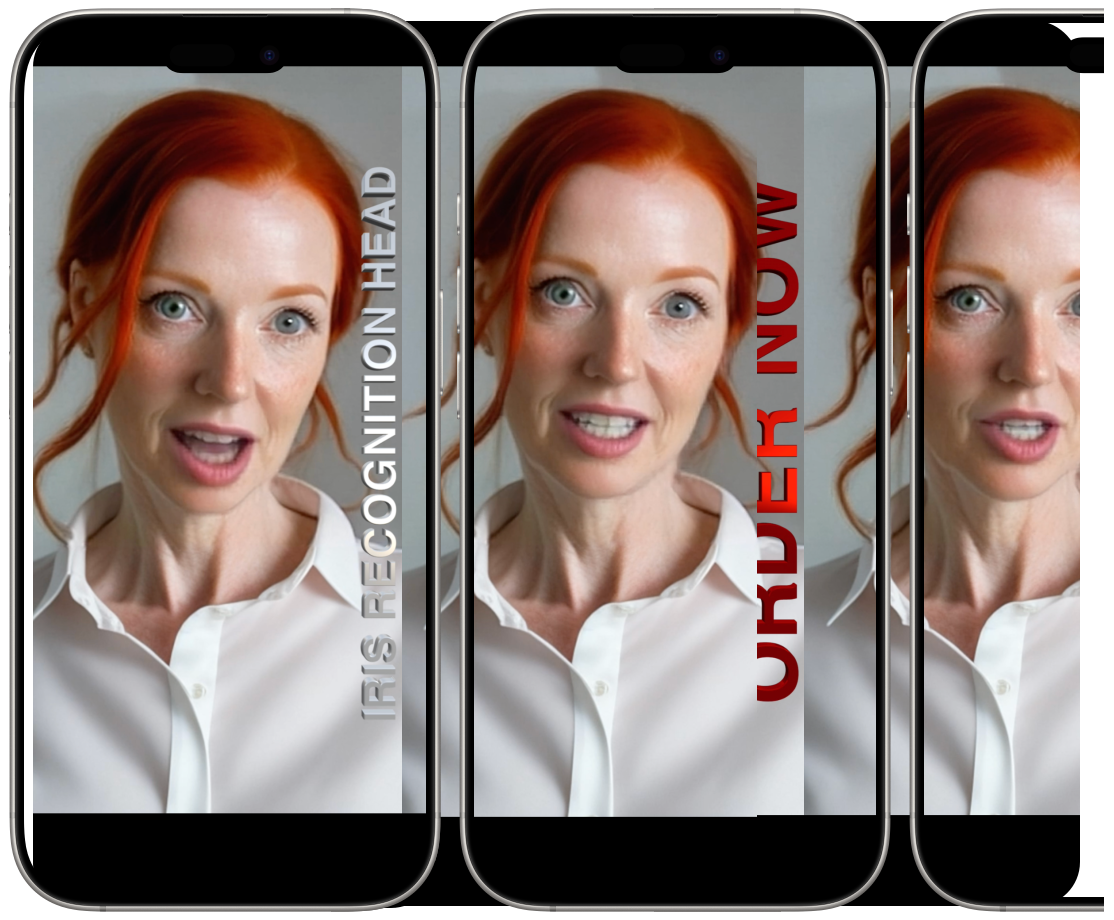
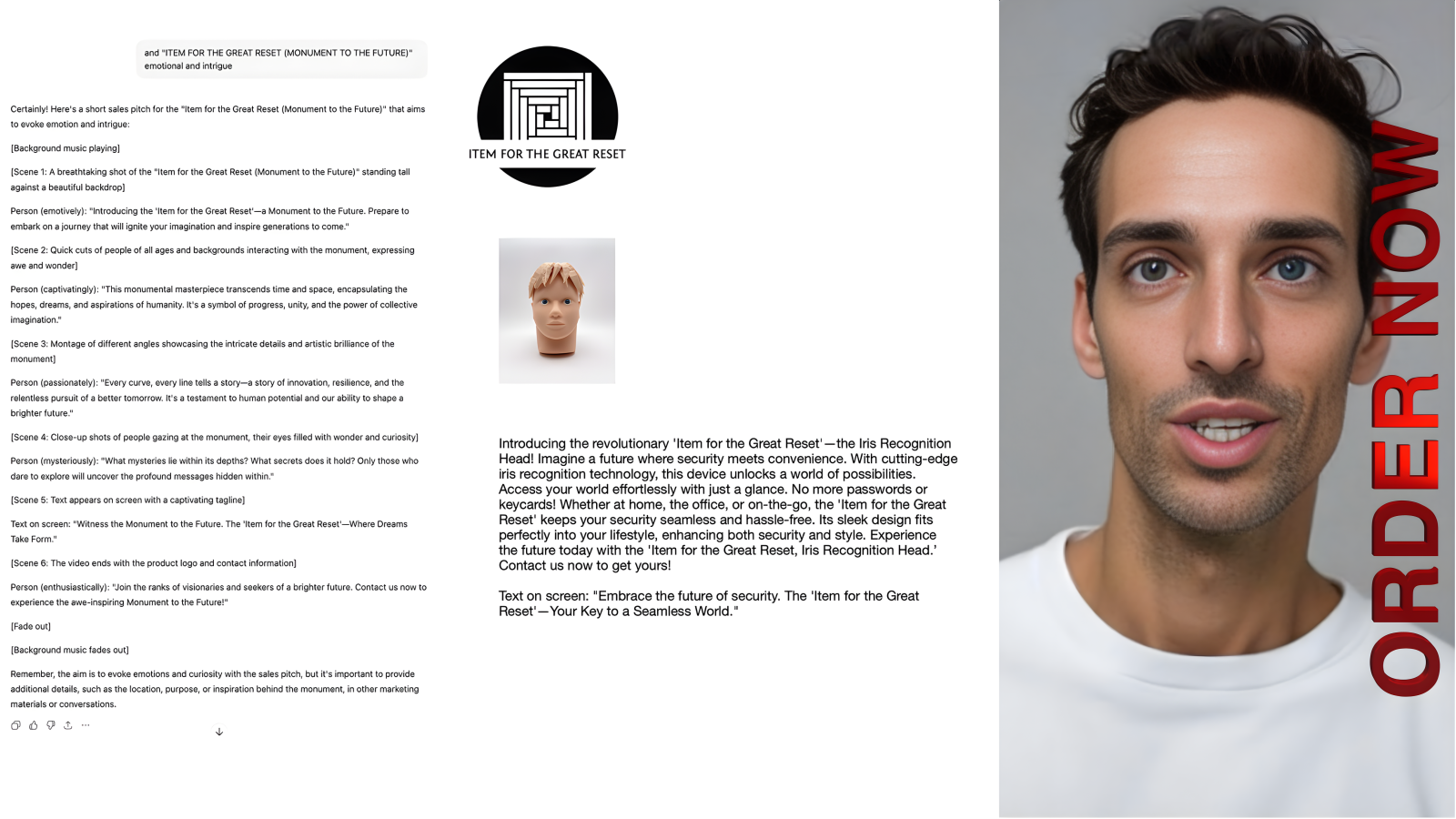
Fictional AI-generated advertisements for a real sculpture series called “Items for the Great Reset.” AI personas delivered scripted pitches for sculptural objects with deadpan conviction.
This series validated the first three tools in the chain. But the editing stage exposed the first real bottleneck. I was using Final Cut Pro, and the production time per video was too long for the volume I needed.
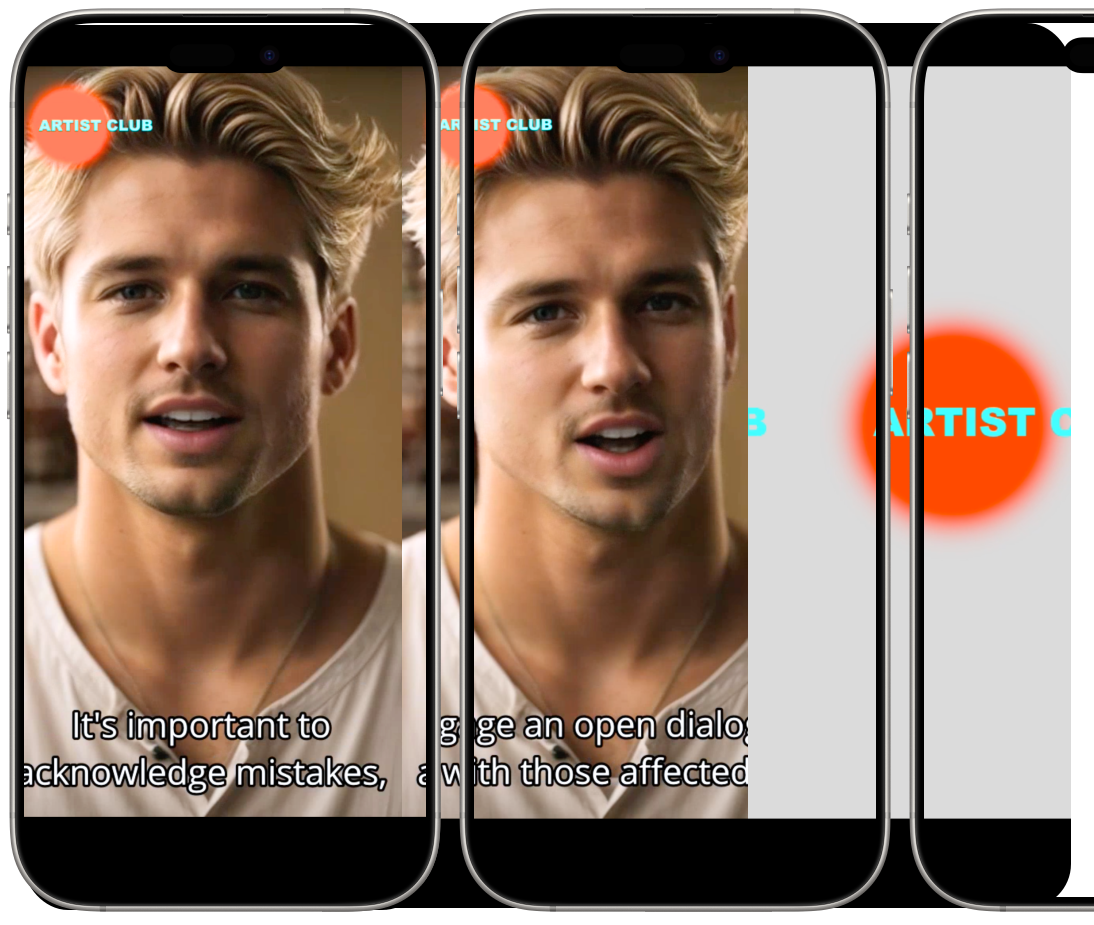
Shifted from advertisement to editorial commentary. AI personas delivered opinionated monologues about institutional power, taste hierarchies, the politics of curation.
Two changes happened at once. The content pivoted from promotion to provocation, driven by engagement data, the audience engaged more when the content had a point of view. They wanted commentary, not advertising. And the editing tool switched from Final Cut Pro to CapCut.

Continued the commentary format with deeper intellectual framing. Institutional power structures, cultural orthodoxy, who gets to define what art is and isn’t. Highest engagement of the three Instagram series.
By this point, the pipeline was stable enough that production was no longer the focus. The creative energy went entirely into content. That shift — from fighting the tools to just using them — is when the pipeline proved itself.
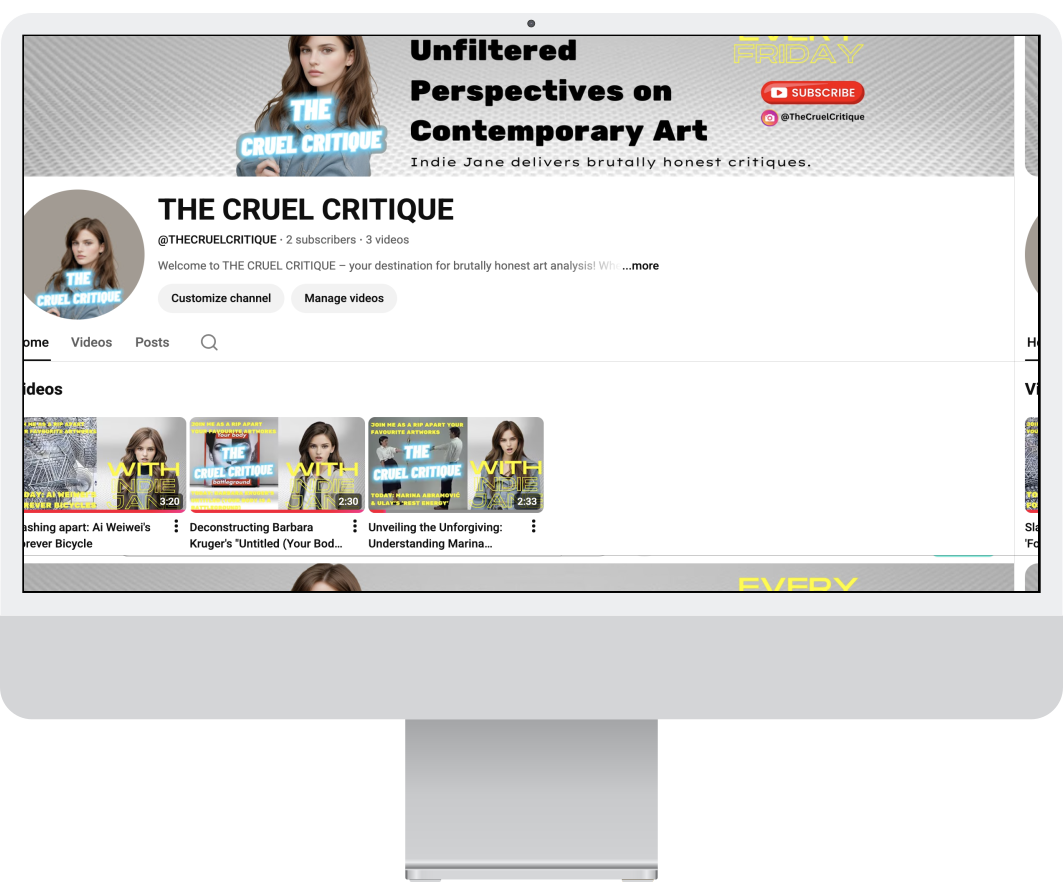
The first three series used different personas. For YouTube, I needed one recurring character across three episodes. Leonardo.AI wasn’t built for that. Getting the same face across sessions meant developing a prompt-based style guide from scratch.
Every connection between tools was manual. With API access and automation tools, those steps disappear entirely.
The pipeline diagram was created after the fact. Real-time documentation would have produced a reusable playbook.
The prompt-based approach to Indy Jane’s consistency was effective but fragile. A formal reference document would make it transferable.
AI video tools in 2026 have solved many of these problems. The design skill was learning to build with tools that aren’t done yet. That doesn’t change.