
I’m a senior product designer and builder working across early stage products, AI workflows and interaction design, with a background in spatial design, sculpture and communication. That background still shapes how I work. I think in structure, movement and relationships before I think in screens.
I’m most useful early, when a product is still messy and a team is working out what it actually is. I move between product thinking, workflows, interface design and prototyping, depending on what needs solving first.
I like getting close enough to the build that ideas can be tested quickly instead of sitting in Figma for weeks. I’m particularly interested in products where AI changes the workflow rather than simply adding another feature.
I’m especially interested in early stage teams that need someone who can define the product, give it a real visual direction, and get something usable into people’s hands fast. That’s the work I’m best at, and the work I want.
FRAME THE
PROBLEM
What are we actually making, who is it for, and what does not need to be in it?
MAKE THE
JUDGMENT
VISIBLE
I make decisions about scope, interaction, visual direction, automation and where human control still matters.
BUILD CLOSE TO
THE PRODUCT
I prototype far enough into implementation to find out whether an idea actually works. AI can accelerate the build. It does not replace product judgment.
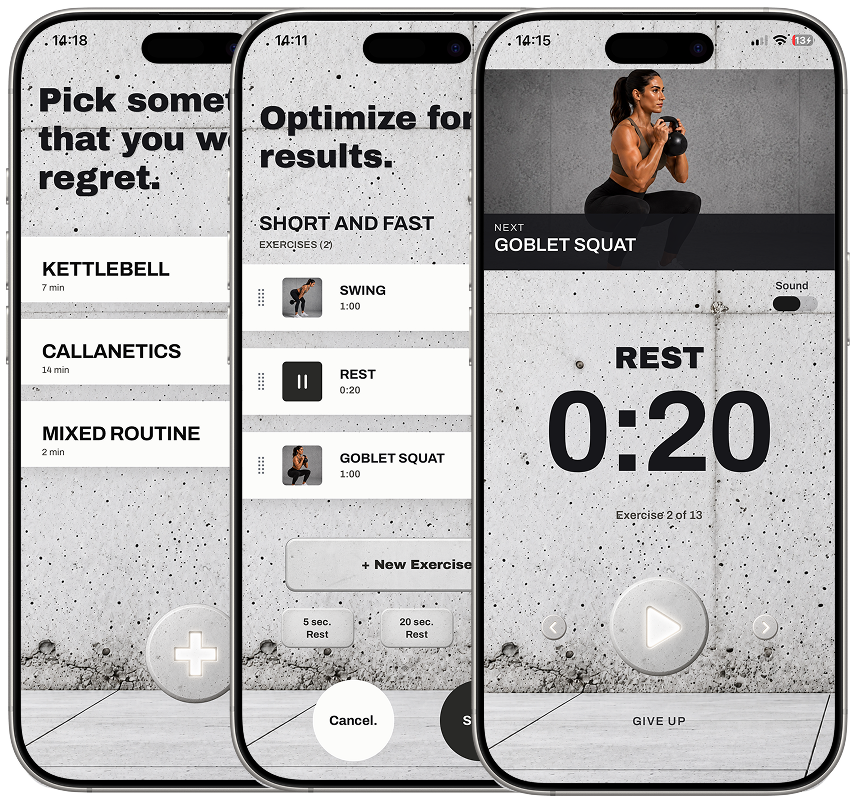
Problem
Workout timer apps are often generic, overloaded or built around fixed routines.
Judgment
I treated it as a training tool rather than a fitness platform, with a strong visual identity and very little product clutter.
Tradeoff
V1 deliberately excludes accounts, network dependency and HealthKit. The priority was speed, offline use and a focused workout flow.
Evidence
A working iPhone and Apple Watch product taken through TestFlight, App Store preparation and submission.
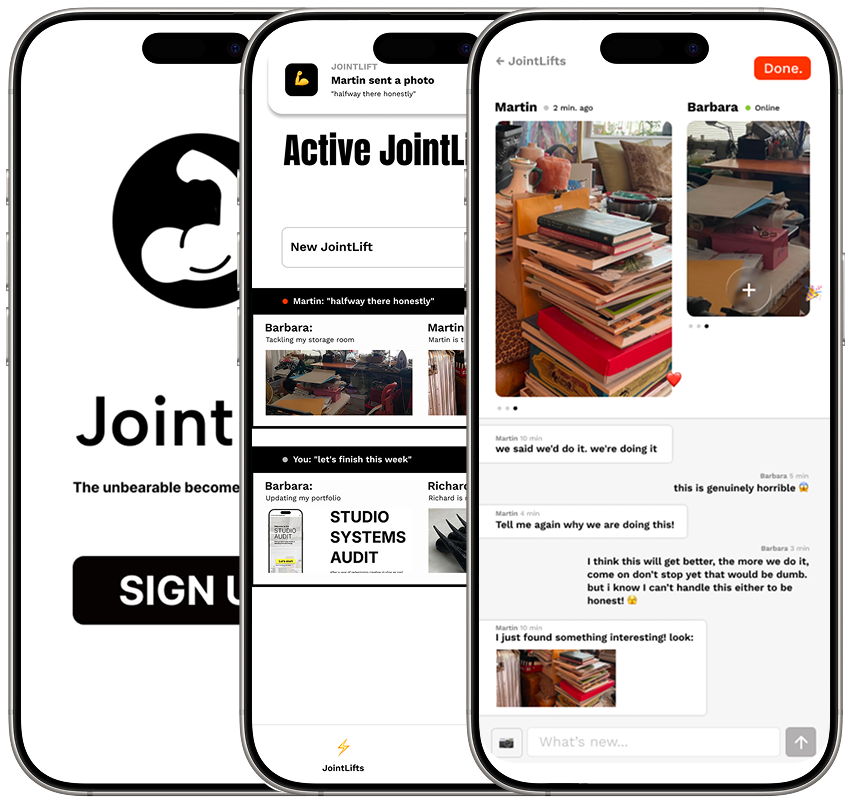
Problem
Two people can share the same goal and still lose momentum when ownership, updates and next steps become fragmented.
Judgment
I designed the product around a strict two person model rather than another general project management system.
Tradeoff
Each person owns their own task and only shares what the other person needs to continue. Less coordination, less visibility, more momentum.
Evidence
A working iOS MVP approved for external TestFlight testing with accounts, invitations, progress updates and shared completion.
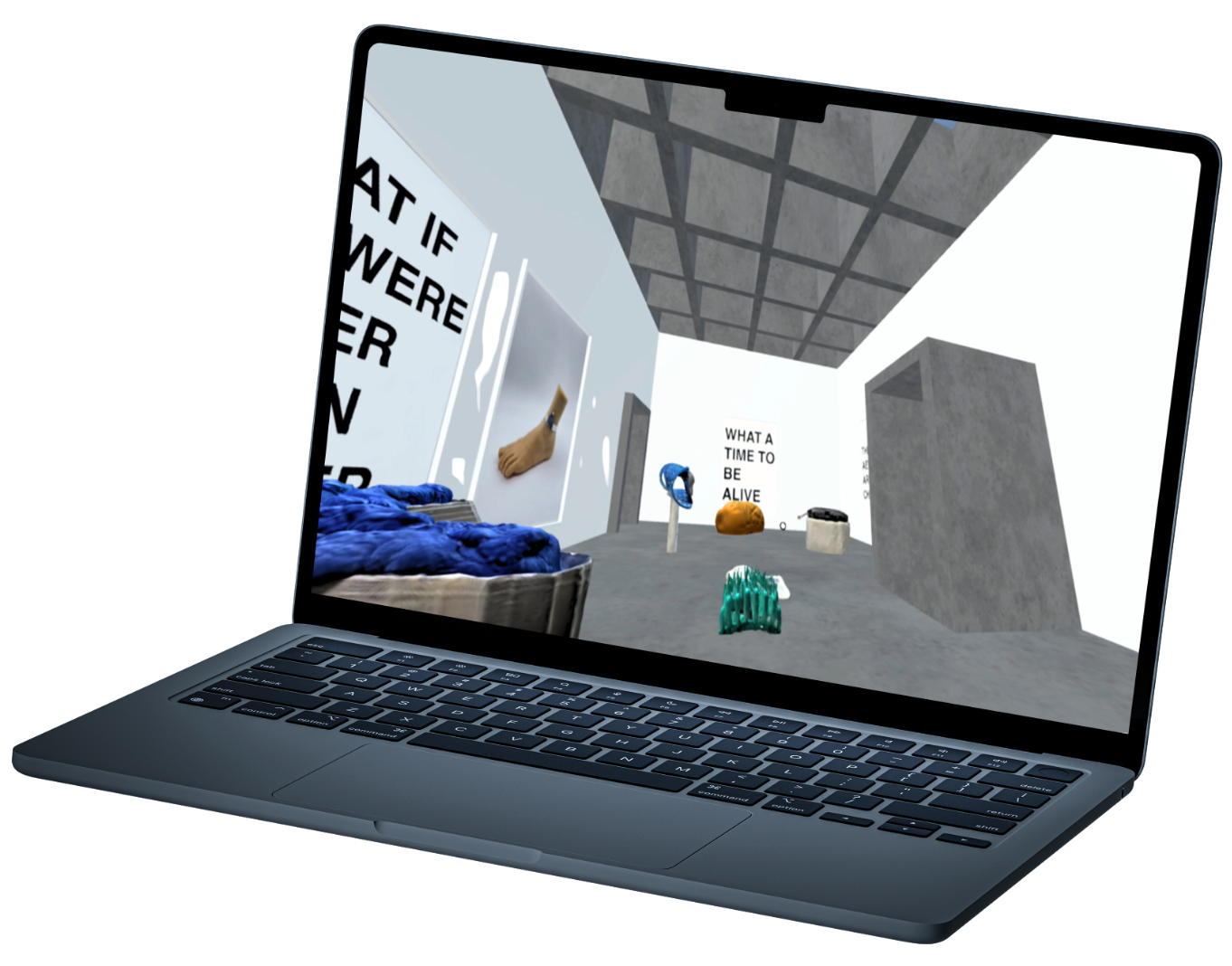
Problem
A Canada Council funded project required a virtual museum for a sculpture series, but the platform did not exist.
Judgment
I treated the virtual environment as part of the work itself rather than as a neutral container for displaying objects.
Tradeoff
When the developer left halfway through, I chose to learn Blender and take over the spatial build rather than reduce the concept.
Evidence
A functioning and accessible XR museum platform launched publicly as part of the funded project.
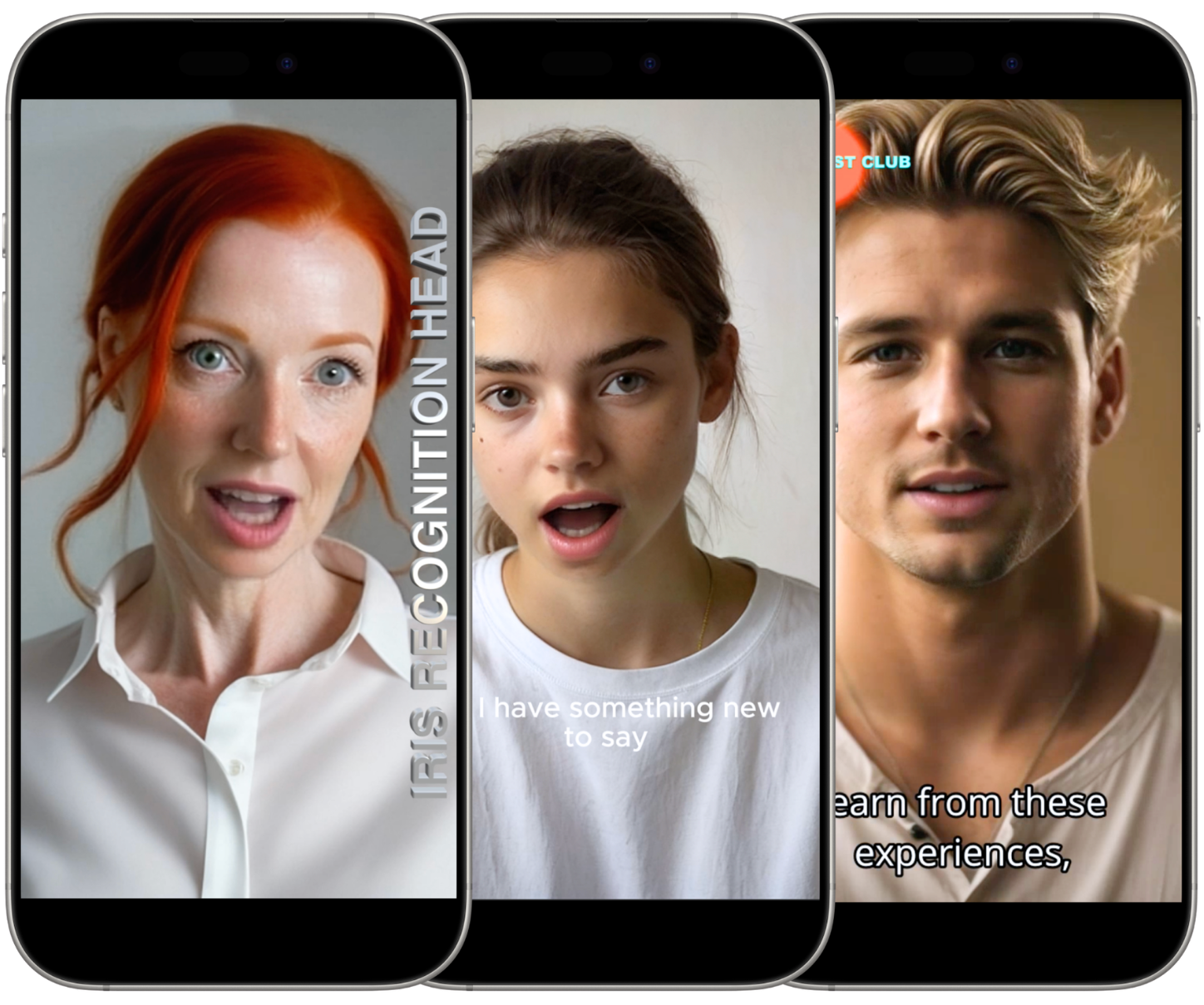
Problem
A campaign needed video content without a crew or production budget while early AI video tools were still unreliable.
AI opportunity
No single model could produce the result. The opportunity was to design a workflow around several specialised tools.
Human / AI
AI handled generation at different stages. Human judgment remained responsible for direction, selection, continuity and the final edit.
Evidence
The resulting four tool pipeline reduced production time by 70 percent and increased campaign engagement by 30 percent.