Studio Management Resources for Artists
Access the tools and insights you need to build a strategic, sustainable art practice. This is where we turn theory into action.
Access the tools and insights you need to build a strategic, sustainable art practice. This is where we turn theory into action.
Running a serious art practice is running a business. You have teams, deadlines, and a constant stream of new opportunities. Yet, many successful studios rely on coordination methods that worked at a smaller scale, but now create friction.
This hits a wall fast. The systems that worked for a team of two fall apart with a team of ten. Without a strategic approach to workflows and information, the studio becomes a bottleneck.
The Operational Reality
Successful studios share a common reality: the chaos has nothing to do with creative vision and everything to do with execution. You’re constantly context-switching. Critical decisions are delayed because information is trapped in individual heads.
The result? Missed opportunities and constant firefighting. You aren’t just leaving money on the table; you’re burning through time and resources that could be invested in your practice.
Every hour spent tracking down project details or clarifying who’s responsible for what is an hour lost.
Agile as a Strategic Framework
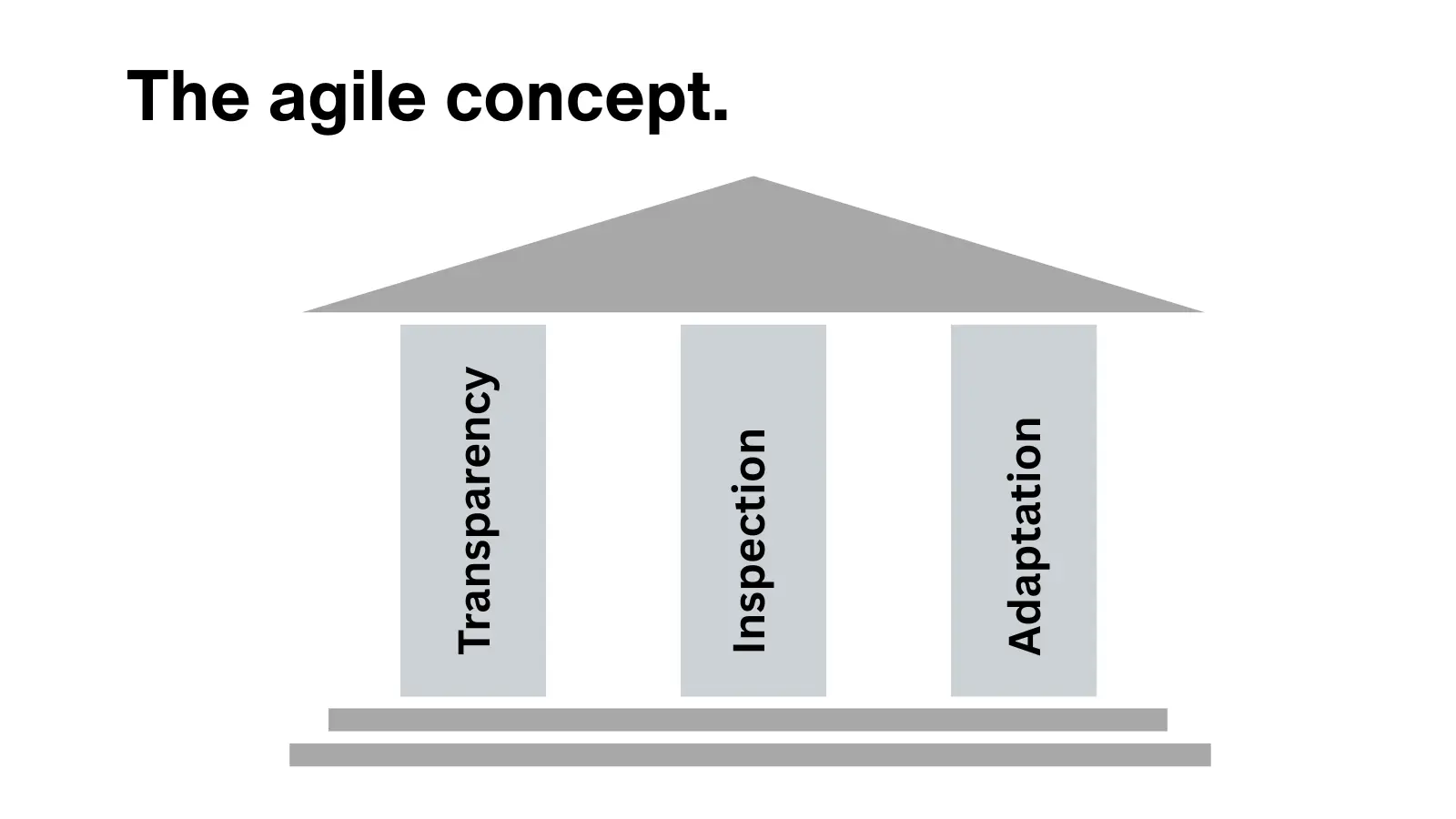
You’ve heard the term “Agile.” But strip away the jargon, and it’s a simple, powerful framework for getting complex work done.
Agile is not about corporate transformation. It’s about efficiency in creative environments. Originally for software, its core principles are equally effective for any work that requires coordination, adaptation, and consistent delivery.
At its core, Agile breaks down work into manageable cycles—typically 1 to 4 weeks. Instead of trying to plan everything upfront, you plan in short sprints and adjust as you go. Each cycle produces tangible outcomes.
This framework combines the right tools with regular human touchpoints.
For studios, this means handling multiple projects without chaos, managing resources based on actual capacity, and maintaining quality while scaling.
Operational Principles for Scale
The Competitive Advantage
Studios with clear systems consistently outperform those that rely on ad hoc coordination. They finish projects on time, within budget, and with less stress on the people involved. They can expand their teams without drowning in extra coordination. They maintain quality as the pace and scale of production increase.
This isn’t theoretical. Studios with clear project management systems report more stability, better collaborator retention, and more consistent revenue growth.
The choice isn’t between creativity and systems — it’s between operating like a hobby and operating like a professional studio. Your work deserves an infrastructure that matches its ambition.